
When families go through legal disputes, the impact rarely stays confined to courtrooms or legal paperwork. Decisions about custody, finances, and parental rights often ripple directly into a child’s everyday life—especially in areas like education and childcare. School enrollment, academic continuity, daycare arrangements, and even extracurricular participation can become points of negotiation or conflict during these transitions.
For children, consistency is one of the most important factors in healthy development. Sudden changes in school environments, caregivers, or routines can create emotional stress and academic setbacks. For parents, the challenge lies in balancing legal obligations, financial constraints, and the need to provide stability.
This article explores how legal family matters influence education and childcare decisions, and offers practical guidance on how families can protect a child’s well-being while navigating complex legal circumstances.
Legal Decision-Making and Its Impact on a Child’s Daily Stability

Legal proceedings often determine who has authority over major life decisions for a child, including education and childcare. These rulings can shape everything from where a child goes to school to how daily routines are structured.
In many cases, the framework of family law defines how parents share or divide responsibility. This includes decisions about school enrollment, tutoring, extracurricular activities, and childcare providers. When parents disagree, courts may intervene to determine what arrangement best serves the child’s interests.
A family attorney often plays a key role in helping parents understand their rights and responsibilities during these disputes. Legal guidance can help reduce conflict by clarifying what decisions require mutual agreement and what decisions one parent can make independently.
Key ways legal decisions affect stability:
- School continuity during custody transitions
- Consistency in daily routines between households
- Approval authority for educational or childcare changes
- Travel or relocation restrictions affecting schooling
- Communication protocols between co-parents
Maintaining stability during legal disputes requires careful coordination and a focus on minimizing disruption to the child’s learning environment.
Financial Planning for Education and Childcare During Legal Proceedings
Legal disputes often bring financial strain, and education-related costs can become a major concern. School tuition, daycare fees, extracurricular programs, and transportation expenses may all need to be addressed through formal agreements.
A child support attorney can help establish financial arrangements that account for both basic needs and education-specific costs. This includes ensuring that contributions cover not only daily living expenses but also schooling and childcare requirements.
Meanwhile, a divorce attorney often plays a broader role in negotiating overall financial settlements, including how educational expenses will be divided between parents. These agreements can have long-term implications for a child’s academic opportunities.
Common education-related expenses considered in legal agreements:
- Private or public school tuition
- After-school programs and tutoring
- Daycare and before/after school care
- School supplies and technology
- Transportation and activity fees
Practical financial planning tips:
- Track all education and childcare expenses in detail
- Separate fixed costs (tuition) from variable costs (activities)
- Build a shared budget agreement early in the legal process
- Plan for annual cost increases in schooling and childcare
- Keep documentation for all reimbursable expenses
Financial clarity helps reduce conflict and ensures children’s educational needs remain a priority.
School Selection During Custody and Legal Transitions
One of the most sensitive issues during family legal cases is determining where a child will attend school. This decision often becomes emotionally charged because it affects not only academic progress but also a child’s friendships, sense of identity, and daily routine. Stability, academic quality, and proximity to both parents are often key considerations, but each family situation introduces unique challenges that must be carefully balanced.
Choosing among the best schools involves more than rankings or reputation. While academic performance data can be helpful, it does not fully reflect whether a school will provide the emotional continuity a child needs during a period of family transition. Courts and parents often consider emotional continuity, peer relationships, and the ability to maintain a consistent routine as equally important factors. For some children, staying in the same school may reduce anxiety and preserve friendships, while for others, a new environment may be necessary, depending on custody arrangements or relocation.
In more complex disputes, family law firms may become involved when disagreements arise over school selection or relocation. These firms help interpret legal standards and advocate for arrangements that align with the child’s best interests. This can include presenting evidence about school quality, discussing logistical constraints between households, or helping structure agreements that minimize disruption to the child’s education. Their involvement often helps clarify decision-making authority and reduce prolonged conflict between parents.
Factors commonly considered in school decisions:
- Consistency with previous schooling environment: Maintaining continuity can help reduce academic disruption and emotional stress caused by sudden change.
- Academic performance and support services: Schools with strong tutoring, counseling, or individualized learning support can better assist children during transitional periods.
- Distance between both parental homes: Commute time affects daily routines, fatigue levels, and the feasibility of shared custody schedules.
- Emotional stability and peer continuity: Keeping friendships and familiar social groups intact often plays a major role in a child’s adjustment.
- Special education or learning needs: Children requiring additional support may need schools with specialized programs or trained staff.
Actionable school selection strategies:
- Visit multiple schools before making decisions: First-hand observation helps parents evaluate the environment, staff interaction, and overall school culture.
- Evaluate transportation logistics under custody schedules: Practical commuting arrangements should be realistic for both households to avoid unnecessary disruption.
- Review school support programs for emotional transitions: Counseling services or transition programs can help children adjust more smoothly during family changes.
- Discuss long-term educational pathways, not just immediate placement: Considering future academic progression ensures that the chosen school supports continued growth, not just short-term convenience.
- Prioritize consistency over short-term convenience when possible: Stability in schooling often provides greater long-term benefit than temporary logistical advantages.
School stability is often one of the strongest predictors of a child’s emotional resilience during family transitions, as it helps preserve structure, relationships, and a sense of normalcy during periods of uncertainty.
Early Childhood Care and Day-to-Day Childcare Stability
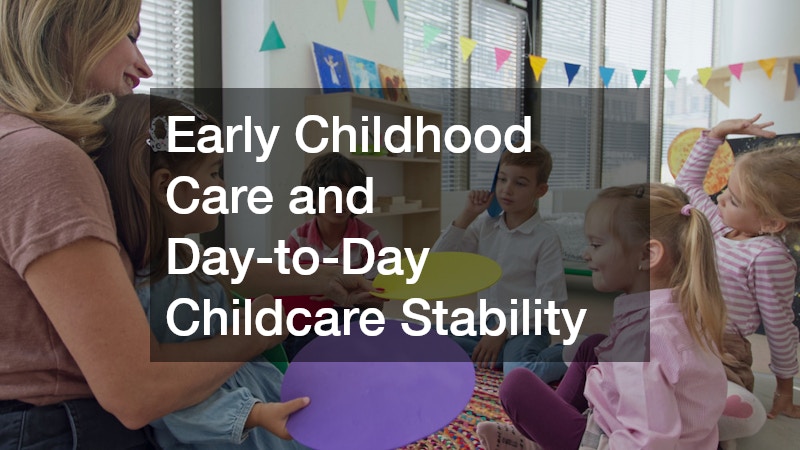
For younger children, consistency in early learning environments is especially important. During early development, children rely heavily on repetition, predictable routines, and familiar caregivers to build emotional security. When legal disputes lead to changes in custody schedules or living arrangements, even small disruptions in childcare settings can have a noticeable impact on behavior, sleep patterns, and emotional regulation. Children at this stage may not fully understand what is happening, but they strongly feel the effects of instability in their environment.
Selecting a high-quality preschool becomes a central decision in many custody arrangements because it often represents the child’s primary structured learning environment outside the home. A strong preschool program provides more than early academic exposure—it offers consistent routines, supervised social interaction, and opportunities for emotional development. In custody situations, it can also serve as a stabilizing “anchor” in a child’s weekly schedule, especially when home environments are changing between households.
At the same time, consistent childcare arrangements help ensure that children experience predictable routines between households. This includes daycare providers, babysitters, and after-school care programs. When children see the same caregivers regularly, they are more likely to feel secure and adjust more easily to transitions between parents. Frequent changes in caregivers or environments, on the other hand, can increase anxiety, lead to behavioral regression, or make it harder for children to form trusting relationships outside the home.
Key considerations for early childhood stability:
- Maintaining the same childcare provider whenever possible: Consistency with caregivers helps children build trust and reduces the stress associated with separation or transition between households.
- Ensuring both parents are familiar with daily routines: When both caregivers understand nap times, meal schedules, and behavioral cues, children experience smoother transitions between homes.
- Minimizing transitions between multiple care environments: Too many different settings in a short period can overwhelm young children and disrupt their sense of routine.
- Choosing providers experienced with family transitions: Childcare professionals who understand custody-related dynamics are often better equipped to support emotional and behavioral adjustments.
- Supporting emotional adjustment during custody changes: Children may need extra reassurance, patience, and structured comfort strategies during periods of change.
Practical childcare stability tips:
- Create a shared daily schedule between households: A consistent schedule for meals, sleep, and activities helps reduce confusion and promotes emotional regulation across environments.
- Communicate regularly with childcare providers: Open communication ensures caregivers are aware of custody changes and can respond appropriately to shifts in behavior or mood.
- Keep familiar items (toys, blankets) consistent across homes: Comfort objects provide emotional grounding and help children feel secure in different environments.
- Gradually introduce any necessary childcare changes: Sudden changes can be overwhelming, while gradual transitions allow children time to adapt more comfortably.
- Monitor behavioral changes during transitions: Tracking mood, sleep, and social behavior can help parents identify stress early and respond with appropriate support.
Early stability helps children feel secure, even when broader family circumstances are changing, and it plays a crucial role in supporting healthy emotional development during periods of legal and household transition.
Managing Financial Hardship and Protecting Educational Continuity
Family legal disputes can sometimes lead to significant financial strain, especially when legal fees, household transitions, and custody adjustments overlap. These costs often accumulate quickly and unpredictably—attorney retainers, court filings, mediation sessions, and relocation expenses can place pressure on already tight household budgets. At the same time, parents may also be managing separate living arrangements, duplicated household expenses, and changes in income after separation or divorce.
In more severe cases, families may need to consider broader financial restructuring. When debt becomes difficult to manage alongside ongoing legal obligations, bankruptcy services may be explored as a structured way to regain financial stability. While this is not a decision taken lightly, it can provide a legal framework for reorganizing debt, stopping aggressive collection actions, and creating a more manageable financial path forward. In some cases, this relief allows parents to stabilize their household finances enough to continue prioritizing essential responsibilities like schooling, childcare, and daily living needs.
Even during financial hardship, maintaining continuity in schooling and childcare should remain a top priority. Interruptions in education can have long-term effects that extend far beyond the legal process itself. Frequent school changes, unstable childcare arrangements, or gaps in learning environments can affect academic performance, emotional development, and social adjustment. For children already experiencing stress from family changes, stability in education and caregiving can provide a crucial sense of normalcy and security.
Strategies for maintaining educational stability during financial stress:
- Prioritize school-related expenses in household budgeting: Even when cuts are necessary, education costs such as tuition, transportation, supplies, and tutoring should be treated as essential rather than optional whenever possible.
- Seek scholarships or financial aid for schooling options: Many schools offer need-based assistance, payment plans, or sliding-scale tuition options that can help reduce immediate financial pressure.
- Explore public education alternatives if private school becomes unsustainable: Public schools often provide strong academic programs and support services, and transitioning thoughtfully can help maintain continuity without unnecessary disruption.
- Communicate early with schools about financial concerns: Some schools may offer flexibility with payment schedules or connect families with local support resources if they are informed early.
- Maintain consistent childcare arrangements where possible: Stability in childcare helps preserve routine, which is especially important during periods of legal and financial uncertainty.
Practical financial stability actions:
- Create a reduced but realistic monthly education budget: Focus on essential costs tied directly to schooling and childcare while temporarily limiting non-essential discretionary spending.
- Identify community-based childcare support programs: Local nonprofits, religious organizations, and community centers may offer subsidized or flexible childcare options during financial hardship.
- Avoid frequent school changes unless absolutely necessary: Each transition can create academic gaps and emotional stress, so changes should be carefully weighed against long-term impact.
- Document all education-related financial obligations: Keeping clear records helps with budgeting, legal proceedings, and any potential reimbursement agreements between parents.
- Work with advisors to manage long-term financial recovery: Financial counselors, legal professionals, or debt advisors can help create structured recovery plans that protect essential family needs.
Protecting a child’s educational continuity during financial stress is one of the most important steps families can take during challenging legal periods, as it helps preserve both academic progress and emotional stability during times of significant change.
Conclusion
Family legal cases often extend far beyond legal agreements and court rulings, shaping some of the most important aspects of a child’s daily life. Education and childcare decisions become central points of focus because they directly influence stability, emotional well-being, and long-term development.
By understanding how legal frameworks, financial responsibilities, school choices, and childcare arrangements intersect, parents can make more informed decisions that prioritize their child’s needs. Even during difficult transitions, maintaining consistency in schooling and caregiving helps reduce stress and supports healthier outcomes.
Ultimately, the goal is not only to navigate legal challenges effectively but also to ensure that children continue to learn, grow, and thrive in stable and supportive environments.
